
The e-MTB guide
Electric Mountain Bikes: Start with Your Terrain
By Sébastien L. (author profile in French)
Published
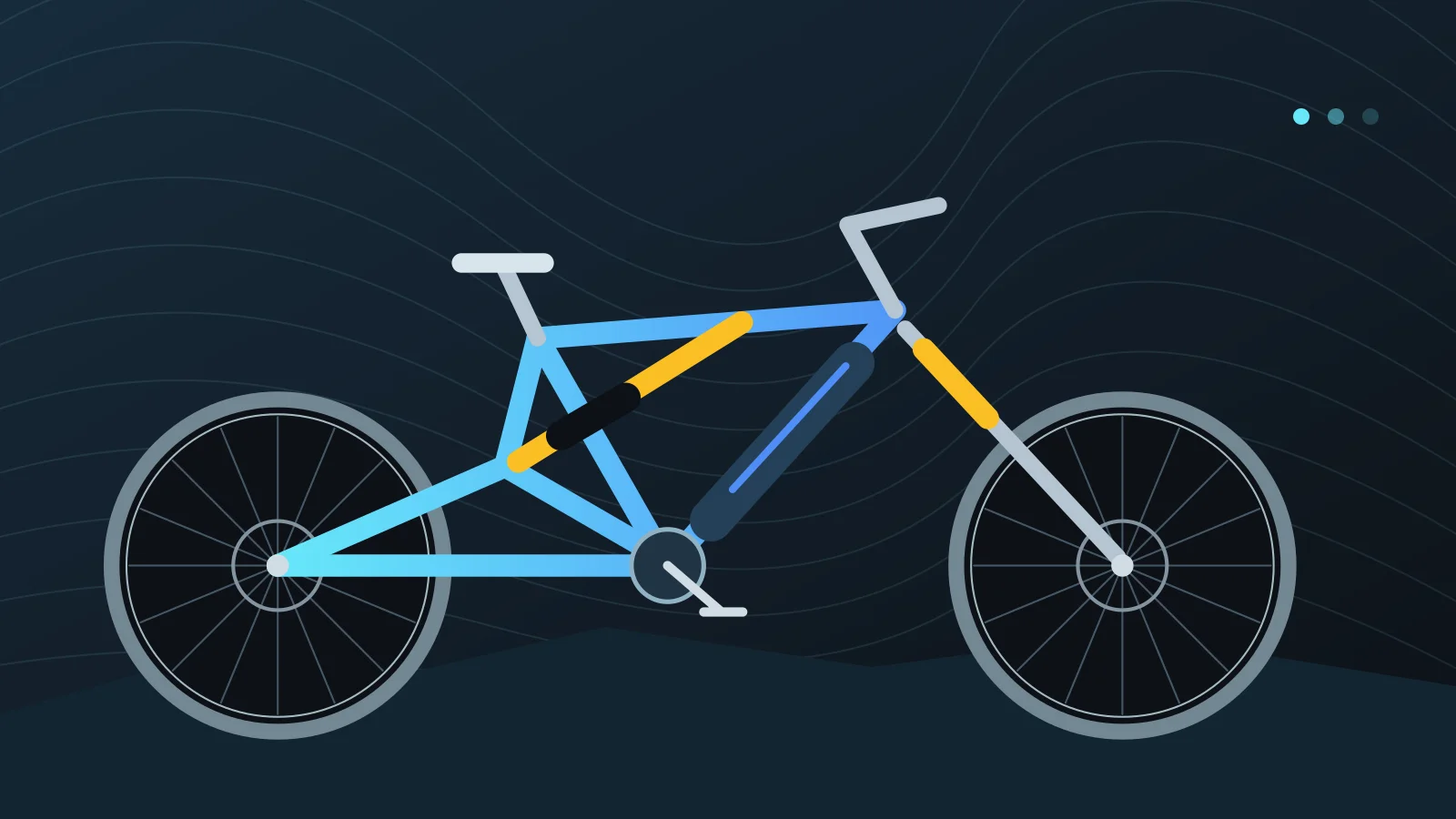
Three decisions shape the purchase: the trails you actually ride, the comfort you need and your total budget. The figures below are buying pointers, not performance guarantees.
Starting out, exploring tracks or heading into the mountains?
| Riding | Starting point | Check first |
|---|---|---|
| Leisure rides and smooth forest tracks | A hardtail if the ground is fairly even | Fit, tyres and easy-to-control braking |
| Recreational rides with roots and rocks | Compare a full-suspension bike | Suspension setup, traction and servicing |
| Trails and mountains | A chassis designed for the intended trails | Brakes, tyres, travel and manufacturer use category |
On a small screen, scroll the table horizontally to see all columns.
How much motor power and torque do you need?
Watts describe power; newton-metres (Nm) describe torque. Two motors with the same maximum torque can feel different at low cadence or when restarting. Try how smoothly assistance comes in rather than choosing the largest number.
As an editorial starting point, 50–60 Nm can suit moderate off-road riding with appropriate gearing. For steep climbs, also consider systems with 70–90 Nm or more. These are neither mandatory thresholds nor a promise that a bike will climb every obstacle.
500, 625 or 800 Wh: how much battery and range?
Watt-hours measure stored energy, not distance. A 500 Wh battery can be a starting point for shorter outings. More capacity gives more reserve at the same energy consumption, but check the added weight and bulk.
Le Tech has not yet measured electric bike range. Do not transfer a claimed flat-road maximum to a mountain ride. Check elevation gain, assist mode, total load and conditions. Bosch’s range tool provides a simulation, not a ride test of your bike.
Mid-drive or hub motor? Bosch, Shimano, Yamaha, Brose, DJI…
For off-road climbs, our starting preference is a mid-drive motor, which uses the bike’s gears. It also loads the chain and cassette. A hub motor can suit simpler riding; consider the whole bike and the work involved in servicing the motorised wheel.
A brand name is not enough. Compare the exact generation, local repair support, compatible batteries and assist behaviour. Bosch, Shimano, Yamaha, Brose and Avinox, the system developed by DJI, are not listed here in reliability order. We have no long-term reliability verdict for these bikes.
How much should you budget?
Below €1,500, we do not yet have enough evidence to name a winner. Around €2,000, a documented hardtail is a useful starting point. Around €3,000, compare the comfort and equipment of full-suspension builds. Promotions can move a bike between these broad price bands.
Allow for a helmet, pedals where needed, repairs, servicing and transport. At premium prices, local support and suitability for your trails still matter more than a prestigious component list. Our price observations are in euros and tied to a named national market.
A 25 km/h pedelec is different from a speed pedelec
In France, the ordinary pedal-assist category uses a motor rated at no more than 250 W continuous power, with assistance that stops at 25 km/h and when pedalling stops. Speed pedelecs follow different rules. Peak output is not the same as continuous rated power; check local requirements outside France as well.
Sources: French public service — pedal-assist definition and insurance (French)
Explore the bike section
Le Tech bike ride reviews
Electric Bike Reviews
Follow future Le Tech electric bike ride reviews: testing conditions, measured range, clear disclosures and buying guides available now.
Read the guide →Editorial selection · 2026 edition
Best Electric Mountain Bikes 2026: Which One Should You Buy?
Three sourced e-MTB candidates for beginners, recreational riding and premium trail budgets. Dated European prices, equipment and clear evidence limits.
Read the guide →The suspension comparison
Hardtail vs Full-Suspension Electric Mountain Bike
Compare price, comfort, weight, maintenance and terrain to decide whether a hardtail or full-suspension e-MTB suits your riding.
Read the guide →The e-MTB buying guide
How to Choose an Electric Mountain Bike in 2026
Budget, fit, geometry, motor, battery, brakes, wheels and support: a practical e-MTB buying guide with France and EU regulatory context.
Read the guide →Sources and editorial transparency
Sources consulted on . Our recommendations are editorial judgements. Manufacturer documents support specifications, not a Le Tech ride verdict. An editorial update does not renew a price or stock observation.